
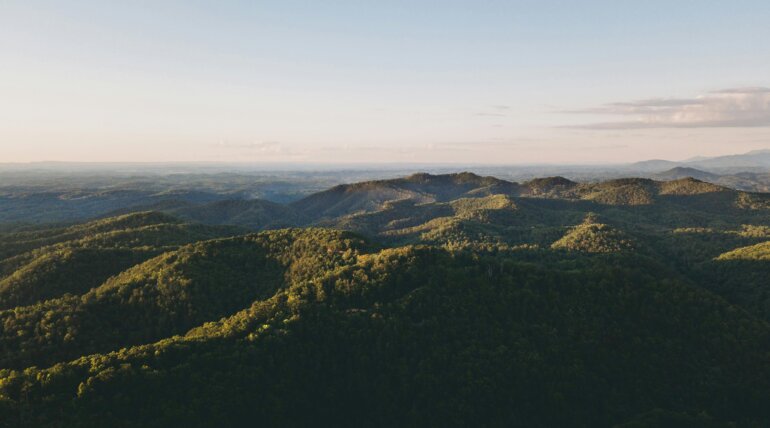
Winter brings a peaceful kind of beauty to the Smokies. Snow-dusted trees, quiet forest paths, crisp mountain air, and breathtaking scenic overlooks make cold-season hiking one of the most rewarding experiences in Tennessee. For travelers looking to escape crowds and enjoy nature at its calmest, exploring Smoky Mountain Winter Hiking Trails is a perfect adventure.
Unlike summer visits, winter hiking offers fewer crowds, better wildlife spotting opportunities, and clearer mountain views thanks to the absence of heavy foliage. Great Smoky Mountains National Park has more than 800 miles of trails, and winter opens up a completely different side of the park for outdoor lovers. The National Park Service notes that winter also reveals new vistas because deciduous leaves are gone, while higher elevations may require traction devices due to icy conditions.
However, hiking in winter also requires extra preparation. Ice, snow, slippery leaves, sudden weather changes, and limited daylight can turn a simple walk into a risky trip if you are not prepared. This guide will help you discover the best trails to try safely and how to plan the perfect winter hike.
If you’re planning a mountain escape, staying near the park makes early morning trail access much easier. Explore beautiful cabins and accommodations at Smith Creek Smoky Mountain for a cozy winter stay.
Why Winter Hiking in the Smokies Is Special
Many visitors only think of summer vacations when planning a Smoky Mountain trip, but winter is often the hidden gem season.
Benefits of winter hiking include:
- Less crowded trails
- Better parking at popular trailheads
- Clearer mountain views
- Easier wildlife spotting
- Peaceful surroundings
- Lower lodging rates in some seasons
Many hikers on Reddit also mention that winter visits feel quieter and more scenic, especially after light snowfall, while road closures mainly affect higher elevation routes like Newfound Gap Road.
The park remains open year-round, but conditions vary greatly by elevation. Lower trails may be dry while high-elevation paths are icy and require extra caution.
Before heading out, check official updates from Great Smoky Mountains National Park Trail Conditions.
Best Smoky Mountain Winter Hiking Trails
Here are some excellent beginner to moderate winter hikes that are beautiful and safer during colder months.
Laurel Falls Trail
Laurel Falls is one of the most popular and accessible hikes in the Smokies. The paved path helps during winter, though icy patches can still develop.
Why It’s Great in Winter
- Short and manageable hike
- Beautiful frozen waterfall views
- Family-friendly option
- Good for beginner hikers
Distance
2.6 miles roundtrip
Because the trail can ice over, traction devices are strongly recommended.
Gatlinburg Trail
This trail is ideal for casual winter hikers who want a gentle walk without steep climbs.
Why It’s Great in Winter
- Mostly flat terrain
- River views
- Historic cabin remains
- Pet-friendly trail
Distance
3.8 miles roundtrip
It’s one of the safest winter options for families and beginners.
Kuwohi (Formerly Clingmans Dome Area Lower Trails)
The high elevations near Kuwohi can be magical in winter with snow-covered forests and stunning panoramic views. However, conditions here are much colder and often icy.
Why It’s Great in Winter
- Incredible snow scenery
- Quiet mountain views
- Excellent photography opportunities
Distance
Varies by trail selection
This area requires more preparation and should be attempted only with proper winter gear.
Alum Cave Trail
This trail offers dramatic winter views, rock formations, and frozen icicles along the cliffs.
Why It’s Great in Winter
- Unique frozen rock formations
- Great scenic overlooks
- Memorable photography
Distance
5 miles roundtrip to Alum Cave Bluffs
This trail can become very slippery, so proper footwear is essential.
Porters Creek Trail
If you love quiet forest trails and historical sites, this is a great winter choice.
Why It’s Great in Winter
- Peaceful atmosphere
- Historic structures
- Frozen streams and bridges
- Moderate difficulty
Distance
4 miles roundtrip
Perfect for travelers looking for a less crowded experience.
Winter Hiking Safety Tips
The National Park Service strongly recommends hikers carry the “Ten Essentials,” including navigation tools, insulation layers, illumination, first-aid supplies, hydration, food, and emergency shelter. They also advise using traction devices like crampons or microspikes on icy high-elevation trails.
Here are the most important safety tips:
1. Check Weather Before You Go
Mountain weather changes quickly. A sunny morning can turn into snow or freezing rain by afternoon.
Always check forecasts before starting your hike and have a backup plan.
2. Wear Layers
Avoid cotton clothing. Use moisture-wicking layers, waterproof jackets, gloves, hats, and warm socks.
The NPS specifically recommends insulation layers and avoiding cotton because wet conditions increase hypothermia risk.
3. Bring Traction Devices
Microspikes or crampons are often necessary on winter trails.
Even popular paved trails can become dangerously slippery.
4. Start Early
Winter days are shorter, and darkness comes quickly in the mountains.
Always allow extra time to return before sunset.
5. Tell Someone Your Plan
Leave your hiking itinerary with family or friends.
Cell service is very limited inside the park, and rescue can take hours.
6. Carry Extra Water and Snacks
Cold weather can hide dehydration.
Bring more water than you think you need and pack high-energy snacks.
Where to Stay for Easy Trail Access
Winter hiking is much better when your cabin is close to the trails. Staying nearby means earlier starts, less driving, and more time enjoying the mountains.
Browse comfortable lodging options at Smoky Mountain Vacation Rentals for easy access to winter hiking adventures.
A cozy cabin with a fireplace and mountain views makes the perfect ending to a cold hiking day.
Final Thoughts
Smoky Mountain Winter Hiking Trails offer a completely different kind of adventure—quiet, scenic, peaceful, and unforgettable. Whether you choose a simple walk like Gatlinburg Trail or a snowy mountain climb near Kuwohi, winter hiking gives you the chance to experience the Smokies in a truly special way.
Preparation is everything. Good boots, warm layers, traction devices, trail awareness, and smart planning make the difference between a stressful hike and an amazing winter memory.
If you want fewer crowds, beautiful snowy views, and a peaceful mountain retreat, winter may become your favorite season to visit the Smokies.