
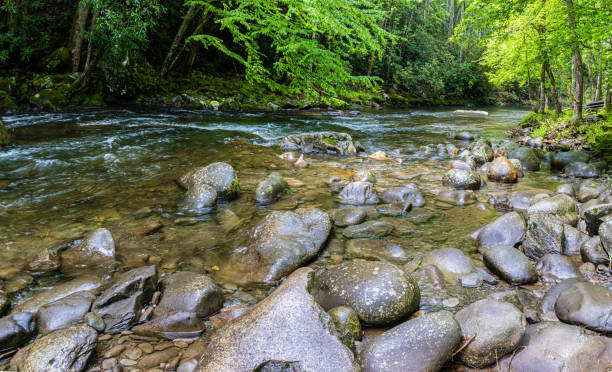
The arrival of spring transforms the Great Smoky Mountains into one of the most rewarding fishing destinations in the southeastern United States. As mountain streams warm after winter, trout become more active, water levels remain favorable, and anglers can enjoy peaceful conditions before the peak summer crowds arrive. For anyone searching for the best Early Season Fishing Spots in the Smoky Mountains, spring offers exceptional opportunities to catch rainbow, brown, and brook trout while surrounded by breathtaking mountain scenery.
Whether you are an experienced fly fisherman or a beginner looking for your first trout, the Smokies provide hundreds of miles of fishable streams. Combined with comfortable accommodations from Smith Creek Smoky Mountain, a spring fishing trip becomes the perfect blend of outdoor adventure and mountain relaxation.
Why Fish Early in the Smoky Mountains?
Early season fishing generally begins in late winter and continues through spring when water temperatures gradually rise. Trout become increasingly active as insects emerge and food sources become more abundant.
Benefits of fishing during the early season include:
- Less crowded streams and rivers
- Active trout feeding patterns
- Comfortable temperatures for anglers
- Beautiful spring scenery and wildflowers
- Better access to popular fishing holes
- Excellent fly-fishing conditions
According to the official National Park Service fishing information, anglers can enjoy year-round fishing opportunities throughout the Great Smoky Mountains National Park while following local regulations and licensing requirements.
Best Early Season Fishing Spots in the Smoky Mountains
1. Little River
Little River remains one of the most popular and productive streams in the Smokies. Flowing through the heart of the national park near Townsend, this river offers easy access and excellent trout populations.
Anglers frequently catch:
- Rainbow trout
- Brown trout
- Occasional brook trout in higher elevations
The river’s varying depths make it suitable for both beginners and experienced fishermen. During spring, aquatic insect activity increases dramatically, creating excellent dry-fly opportunities.
Learn more about the watershed and stream conditions through the Little River Watershed Association.
2. Abrams Creek
Often referred to as a hidden gem, Abrams Creek provides consistent fishing conditions throughout much of the spring season. Its limestone-influenced waters support abundant aquatic life, attracting healthy trout populations.
Why anglers love Abrams Creek:
- Strong insect hatches
- Productive nymph fishing
- Clear water conditions
- Scenic surroundings
The creek rewards patience and stealth, making it particularly appealing to fly anglers seeking a technical challenge.
3. West Prong Little Pigeon River
Located near Gatlinburg, the West Prong Little Pigeon River offers convenient access for visitors staying nearby. The river contains numerous pockets, riffles, and pools that provide excellent trout habitat.
Spring fishing highlights include:
- Active rainbow trout
- Consistent water flow
- Easy roadside access
- Opportunities for short fishing excursions
Visitors staying in the area can conveniently access many productive fishing locations from nearby accommodations such as Gatlinburg Cabin Rentals, making early morning fishing trips especially convenient.
Exploring Higher-Elevation Streams
4. Road Prong
Road Prong is ideal for anglers looking to escape crowds and enjoy a more remote fishing experience. Located near Newfound Gap Road, this stream offers classic Smoky Mountain trout water.
The higher elevation keeps water temperatures favorable during spring, supporting active brook and rainbow trout populations.
Advantages include:
- Less fishing pressure
- Beautiful mountain scenery
- Healthy wild trout
- Challenging but rewarding access
5. Walker Camp Prong
Walker Camp Prong is known for its native brook trout and crystal-clear water. Early season anglers often enjoy excellent fishing before summer visitation increases.
This stream provides:
- Native brook trout habitat
- Scenic mountain views
- Excellent fly-fishing opportunities
- Quiet surroundings
Because brook trout are particularly sensitive to environmental conditions, anglers should practice catch-and-release techniques whenever appropriate.
Oconaluftee River
The Oconaluftee River on the North Carolina side of the Smokies provides another excellent option for spring fishing adventures.
The river features:
- Long casting opportunities
- Deep pools
- Diverse trout populations
- Accessible fishing areas
Its larger size compared to many mountain streams makes it suitable for anglers who prefer wider water and more varied fishing techniques.
For detailed fishing regulations and conservation information, anglers can visit the Trout Unlimited website
Understanding Spring Trout Behavior
Successful fishing often depends on understanding trout movement and feeding habits during spring.
Water Temperature Matters
Trout become increasingly active as water temperatures rise into their preferred range. During early spring:
- Morning fishing can be productive after temperature increases
- Midday often provides the best activity
- Sunny days may improve feeding behavior
- Insect emergence increases steadily
Focus on Current Breaks
Spring runoff can increase water flow. Trout frequently position themselves behind:
- Rocks
- Fallen logs
- Deep pools
- Undercut banks
These locations provide protection from strong currents while allowing fish easy access to drifting food.
Best Techniques for Early Season Fishing
Fly Fishing
Fly fishing remains one of the most effective approaches in the Smokies.
Popular spring patterns include:
- Blue-winged olives
- Quill Gordons
- March Browns
- Caddis imitations
- Pheasant Tail nymphs
Matching local insect activity often produces the best results.
Spin Fishing
For anglers who prefer conventional tackle:
- Small inline spinners
- Lightweight spoons
- Natural-colored soft plastics
- Small crankbaits
can effectively attract active trout during spring months.
Nymph Fishing
Many trout feed below the surface during early spring. Nymph presentations frequently outperform dry flies when insect hatches are limited.
Essential Gear for Smoky Mountain Fishing
Consider packing:
- Lightweight rod and reel
- Waders or waterproof boots
- Polarized sunglasses
- Landing net
- Fly box or tackle selection
- Rain jacket
- Fishing license
- Stream map
Weather conditions can change quickly in the mountains, so layered clothing is highly recommended.
Where to Stay During Your Fishing Trip
Choosing accommodations near fishing access points can maximize time on the water. Staying close to national park entrances allows anglers to reach productive streams before sunrise and enjoy more uninterrupted fishing hours.
Visitors planning a spring fishing vacation often choose accommodations through Smith Creek Smoky Mountain for convenient access to Gatlinburg, Pigeon Forge, and many of the region’s most popular fishing streams.
After a full day on the water, a mountain cabin offers the perfect setting to relax, prepare gear for the next day, and enjoy the peaceful atmosphere of the Smokies.
Conservation and Responsible Fishing
Protecting the Smoky Mountains ensures future generations can enjoy the same incredible fishing opportunities.
Responsible practices include:
- Following all fishing regulations
- Respecting catch limits
- Avoiding stream bank damage
- Properly disposing of fishing line
- Practicing ethical catch-and-release
- Respecting wildlife and other anglers
Conservation efforts throughout the region have helped maintain healthy trout populations across many mountain watersheds.
Planning Your Early Season Fishing Adventure
The Smokies offer some of the finest spring trout fishing in America. From the accessible waters of Little River to the remote beauty of Walker Camp Prong, anglers can find opportunities suited to every skill level.
The combination of active trout, beautiful scenery, mild weather, and fewer crowds makes spring one of the best times to explore these mountain streams. Whether your goal is landing a trophy brown trout or simply enjoying a peaceful morning beside a rushing mountain creek, the Early Season Fishing Spots in the Smoky Mountains provide unforgettable experiences for every outdoor enthusiast.
With proper preparation, responsible fishing practices, and comfortable lodging near the action, your next Smoky Mountain fishing trip can become a memorable mountain getaway filled with adventure, relaxation, and exceptional trout fishing.