
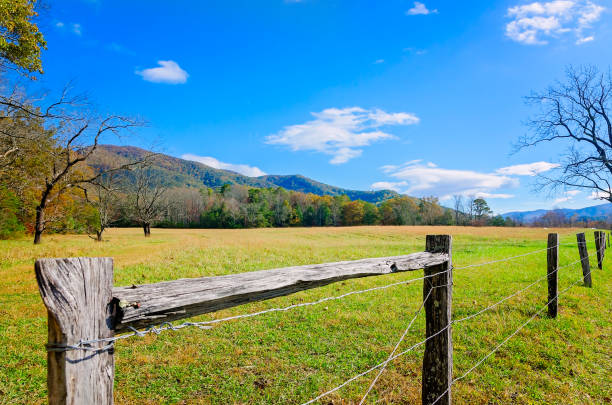
The stargazing Smoky Mountains experience is one of the most peaceful and awe-inspiring activities for travelers visiting Tennessee. Away from city lights, the mountains reveal a sky full of stars, constellations, and even the Milky Way on clear nights. Whether you are staying in Gatlinburg, Pigeon Forge, or deeper inside the region, the Smokies offer several ideal locations for night sky viewing.
The Great Smoky Mountains are part of one of the most visited national parks in the United States, yet they still hold pockets of darkness perfect for astronomy lovers and casual sky watchers alike. With the right timing and location, you can witness a sky untouched by urban light pollution.
Why Stargazing in the Smokies is Special
The magic of stargazing Smoky Mountains comes from the park’s elevation and protected natural environment. While light pollution affects many regions in the U.S., the Smokies still maintain relatively dark skies in higher elevations and remote areas.
According to the National Park Service Great Smoky Mountains, the park offers some of the best preserved natural environments in the eastern United States, making it a great destination for astronomy enthusiasts.
Key reasons the Smokies stand out:
- High elevation viewpoints reduce atmospheric interference
- Large forest coverage blocks nearby city light
- Protected national park status preserves natural darkness
- Seasonal weather patterns often create clear night skies
Best Stargazing Spots in the Smoky Mountains
1. Clingmans Dome – Highest Point in the Smokies
Clingmans Dome is one of the most famous stargazing locations in the region. At over 6,600 feet, it offers unmatched sky visibility.
On clear nights, the Milky Way becomes visible stretching across the horizon. The short hike to the observation tower is worth it for the panoramic sky view.
Why it’s great:
- Highest elevation in the park
- 360-degree sky visibility
- Minimal surrounding light pollution
2. Cades Cove – Open Valley Skies
Cades Cove is another top destination for stargazing Smoky Mountains travelers. The wide open valley allows for expansive sky views without obstruction.
At night, the rolling hills create a dramatic silhouette under a star-filled sky. It is also one of the best places for spotting wildlife at dusk before the stars fully appear.
Highlights:
- Open fields for wide sky views
- Historic cabins add scenic charm
- Great for astrophotography
3. Newfound Gap Road Pull-Offs
Along the famous mountain road between Gatlinburg and Cherokee, there are multiple safe pull-off points ideal for stargazing.
Newfound Gap Road offers high elevation views that often reveal bright constellations and meteor showers.
Best for:
- Quick stargazing stops
- Easy roadside access
- Clear elevated skies
4. Morton Overlook – Sunset to Stars Transition
Morton Overlook is famous for sunsets, but it becomes equally magical after dark. Once the sun sets, the sky transforms into a deep cosmic view filled with stars.
Why visit at night:
- Easy roadside access
- Less crowded after sunset
- Excellent horizon visibility
5. Gatlinburg SkyLift Park Area
For those staying closer to town, Gatlinburg offers convenient stargazing options when conditions are right.
Gatlinburg provides occasional clear-sky views from higher elevation attractions like the SkyBridge area, especially during low light nights.
Best Time for Stargazing in the Smokies
Timing is everything when it comes to stargazing Smoky Mountains adventures. The best conditions usually occur when:
- The moon is in its new moon phase
- Skies are clear after rainfall
- Winter and early spring nights are crisp and dry
- Late-night hours reduce humidity and haze
Summer can still be good, but humidity may slightly reduce visibility.
Tips for the Best Stargazing Experience
To fully enjoy the Smoky Mountains night sky, follow these simple tips:
1. Avoid Light Pollution
Stay away from hotel areas and towns when possible. Drive deeper into the park for darker skies.
2. Bring Red Light Flashlight
Red light preserves night vision, helping you see stars more clearly.
3. Use Stargazing Apps
Apps like Sky Guide or Star Walk help identify constellations in real time.
4. Dress Warm
Even summer nights in the mountains can get cold at higher elevations.
5. Check Weather Conditions
Clear skies are essential for a good stargazing experience.
Dark Sky Conservation in the Smokies
The importance of preserving night skies is growing worldwide. Organizations like the International Dark-Sky Association promote awareness about light pollution and encourage better lighting practices.
The Smoky Mountains region benefits from conservation efforts that help maintain its natural darkness, making it a prime destination for astronomy lovers.
Where to Stay for Stargazing Trips
If you want to enjoy stargazing Smoky Mountains experiences from the comfort of a cozy stay, choosing the right accommodation is important.
You can explore beautiful stays near the park here:
Smoky Mountain Vacation Rentals
For more options and planning your trip:
Smith Creek Smoky Mountains Official Site
These stays offer peaceful surroundings, mountain views, and easy access to top stargazing locations.
Photography Tips for Night Sky in Smokies
If you want to capture the beauty of the stars:
- Use a tripod for stability
- Set long exposure (10–25 seconds)
- Keep ISO between 1600–3200
- Shoot during minimal moonlight
- Focus manually on infinity
The Smokies provide a perfect natural canvas for astrophotography.
Final Thoughts
The stargazing Smoky Mountains experience is more than just looking at stars—it’s about reconnecting with nature in its purest form. From high mountain peaks like Clingmans Dome to peaceful valleys like Cades Cove, every location offers a different view of the universe.
Whether you are a photographer, traveler, or someone simply looking for peace under the night sky, the Smokies deliver unforgettable celestial moments.
If you plan your trip well and choose the right spot, you may even witness the Milky Way stretching across the mountains—one of the most breathtaking sights in the eastern United States.